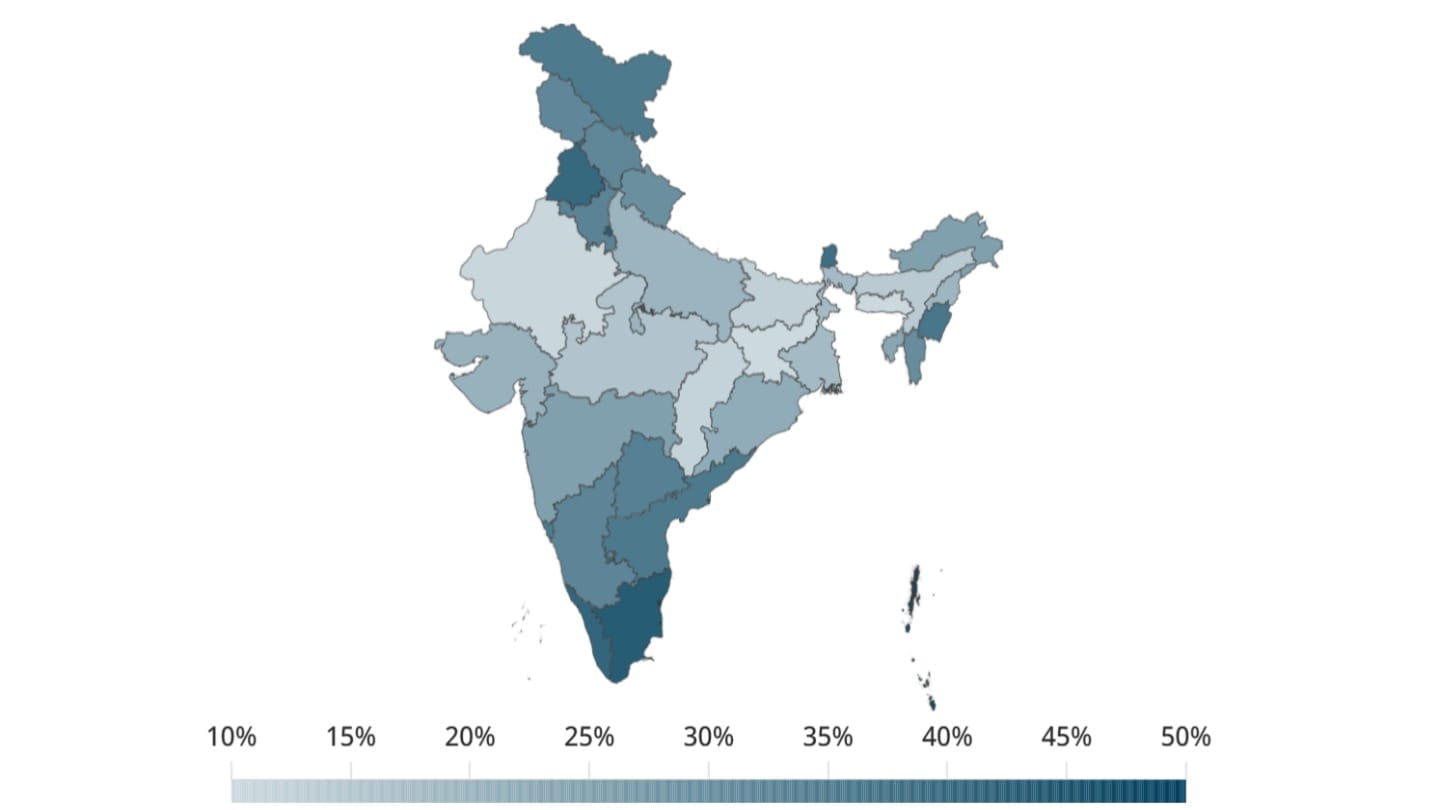
Education is a key pathway to better jobs, wages and development outcomes. In this piece, we look at how India's population is distributed by completed level of education, and how this has changed over time. We primarily use the Periodic Labour Force Survey to assess the educational indicators.
Completed education levels
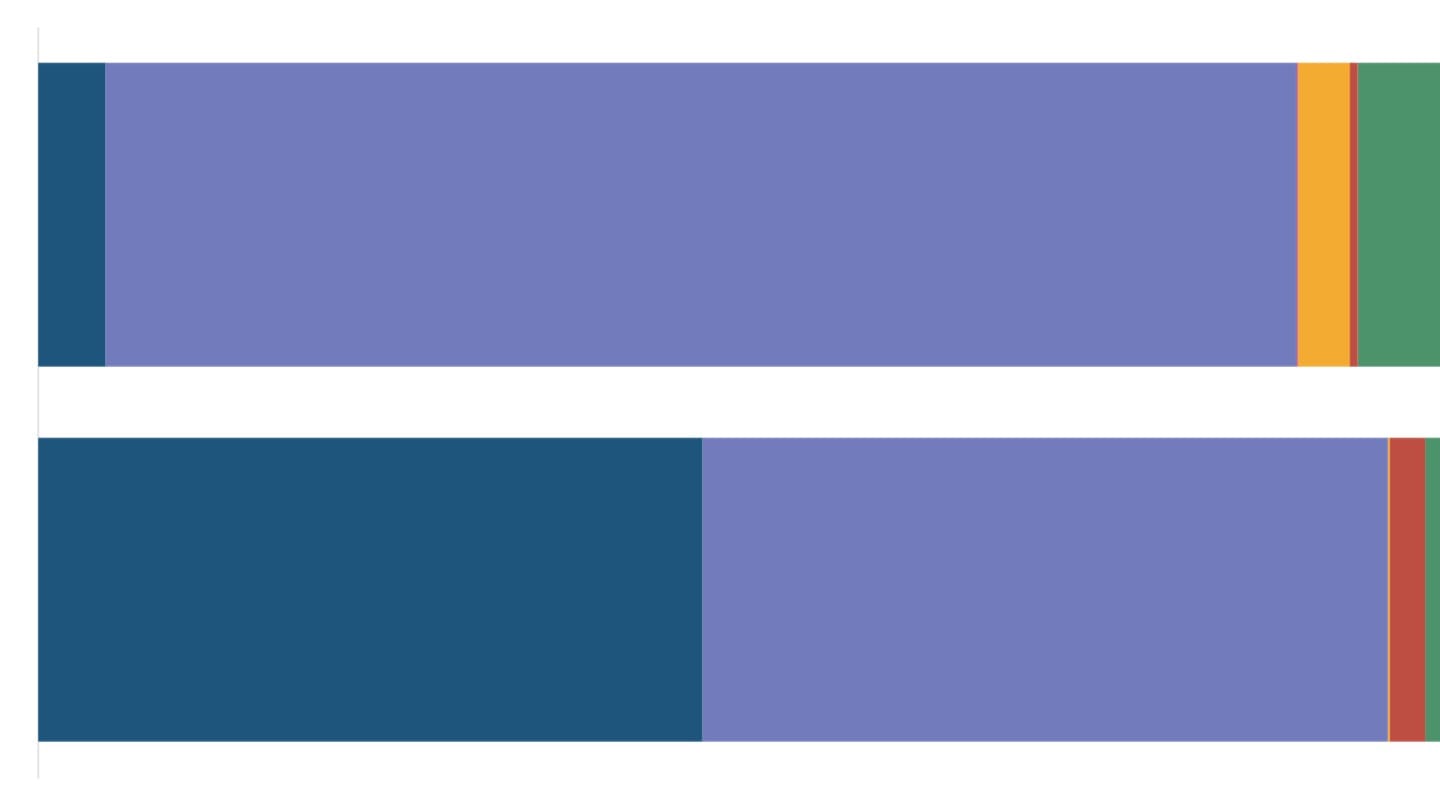
As of 2023, the majority of Indians above the age of 25[1] were either illiterate or had been educated up to the primary level only. In the definition we use, primary level of education refers to any education from pre-schooling to the completion of the eighth grade.
(Read more about literacy in India.)
On the other end, only 15% of Indians above 25 had completed a higher education programme. Such programs include diplomas and certificates after the completion of the 12th grade, in addition to undergraduate and postgraduate programmes.
(Read more about India's graduates and its higher education landscape.)
The educational distribution among women is different from that among men. An average Indian woman above 25 is twice as likely to be illiterate as the average Indian man, but only half as likely to have completed a higher education programme compared to the latter.
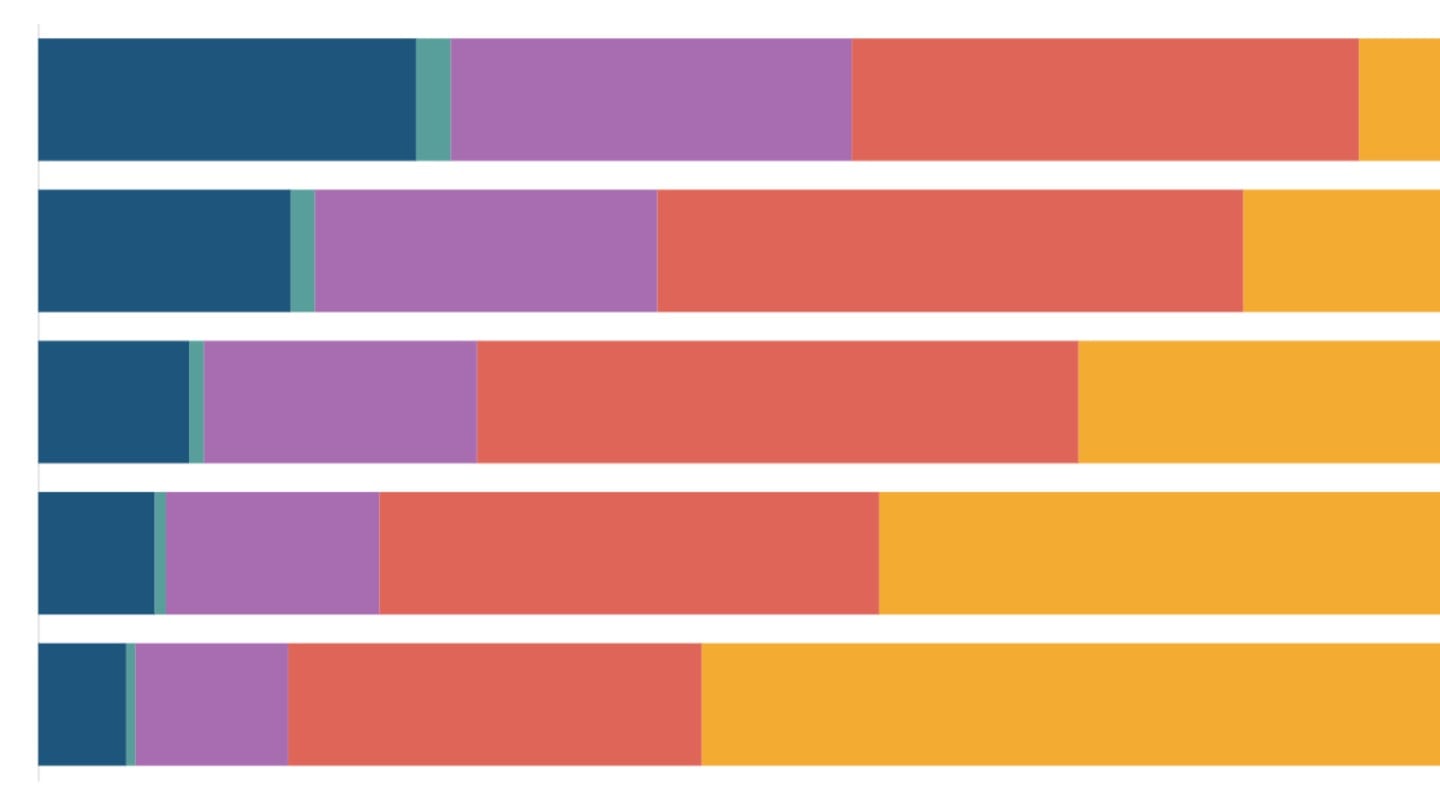
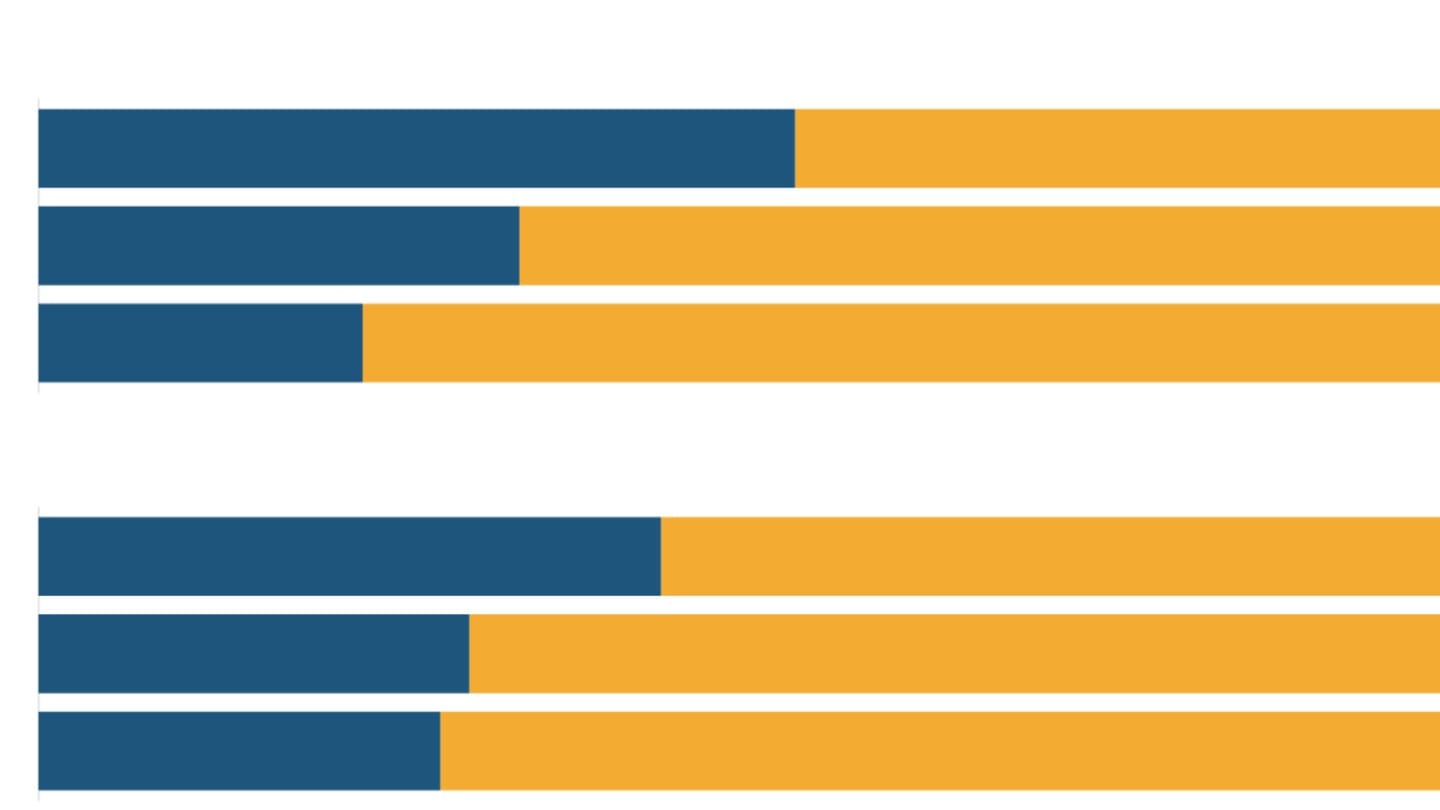
The recent picture, however, is much better than a few decades ago. Educational attainment among Indians in their late twenties looks markedly better than among those in their fifties. Nearly one in three Indians in their late twenties have completed a higher education programme, against one in ten Indians in their fifties. At the same time, illiteracy has narrowed to less than one in ten among Indians between the ages of 25 and 29.
The gender gap that is starkly visible among older age groups is now rapidly closing among the youngest Indians, at all levels of education. While one in two women in their fifties is illiterate, only one in ten women between 25 and 29 is illiterate.
At the other end of education levels, the share of people in their late twenties with a higher education is 22% for both women as well as men, meaning gender parity. Among older adults, on the other hand, these gaps are much wider: a man in his fifties is twice as likely to have completed a higher education programme compared to a woman in her fifties.
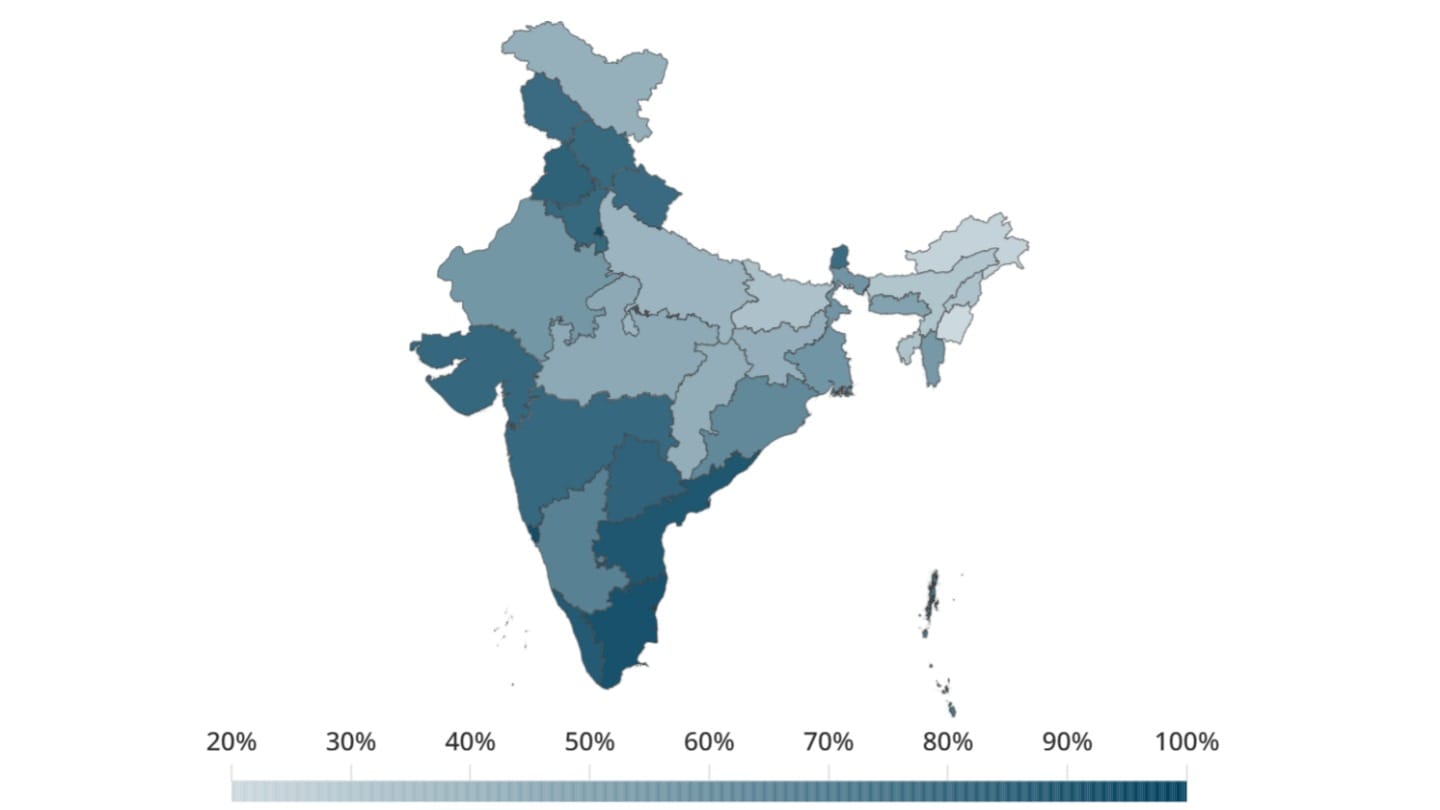
Education levels are linked to where an Indian lives. 40% of rural Indians are still illiterate. Higher education, on the other hand, is a largely urban phenomenon in India, where one in four adults have had a higher education.[2]
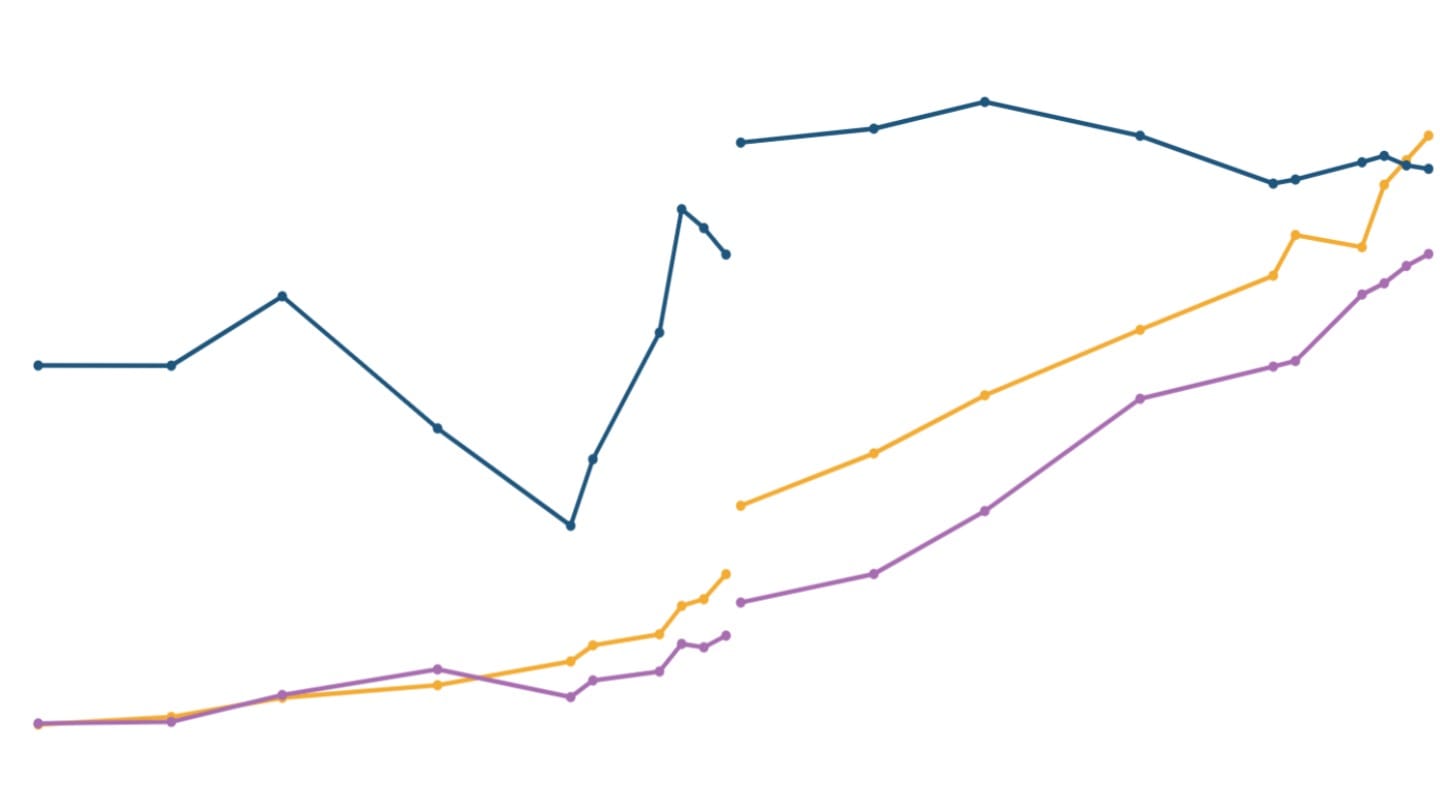
Rural India has also not experienced the rate of progress in education that urban areas have. Over the last four decades, educational attainment among urban Indians improved both in terms of reductions in the rates of illiteracy and improvement in higher education. But among rural Indians, while the share of the illiterate has declined substantially, the share of those with a higher education has not grown meaningfully.
There are also significant differences between social groups. Indians who do not belong to a marginalised community are twice as likely to have a higher education as those belonging to a Scheduled Caste or Scheduled Tribe.[3]
Education data in India
There are two key sources of data when it comes to education in India - administrative data and survey data.
Administrative data is compiled and maintained by the two departments under the Ministry of Education. The Department of School Education and Literacy maintains records based on data collected from all schools in the country, while the Department of Higher Education does the same for colleges and universities. They record indicators such as enrollment and completion by gender, state, and level of education, number of teachers, and some indicators on infrastructure such as availability of internet in educational institutions.
India's National Sample Survey has conducted surveys specifically for tracking education indicators in the past. The NSS conducted five surveys focusing on education from the 1980s to 2018. They recorded indicators with a great level of detail such as the status of enrolment, the level of completed education, reasons for not attending and so on. For about a decade, however, large multi-indicator surveys have tracked some education indicators in detail.
Although the surveys that especially focus on education are rare, including the recent multi-indicator surveys (MIS, 2020 or CAMS, 2023), some basic questions on education are covered by nearly all NSO surveys. The Periodic Labour Force Survey, a large, annually conducted survey records completed levels of education and the number of years spent in formal education for all members of sample households.
[1] For this section, we look at those above the age of 25 at the time of the survey, as they would be likely to have either completed their education or be in higher education.
[2] Refers to those above the age of 25.
[3] Scheduled Castes and Scheduled Tribes are among the most historically marginalised communities in India, and as a result have constitutional provisions for affirmative action.