The most basic measure of educational outcomes is literacy, or the basic ability to recognise letters, words and sentences. India has seen a massive increase in literacy rates since Independence.
Growth of literacy in India
India's Census as well as nationally representative household surveys by the National Statistics Office (NSO) consider a person to be literate if they are able to read and write a sentence in any language with proper understanding of what they are reading or writing.[1] (Children below the age of six are not considered in the calculation of literacy rate.)
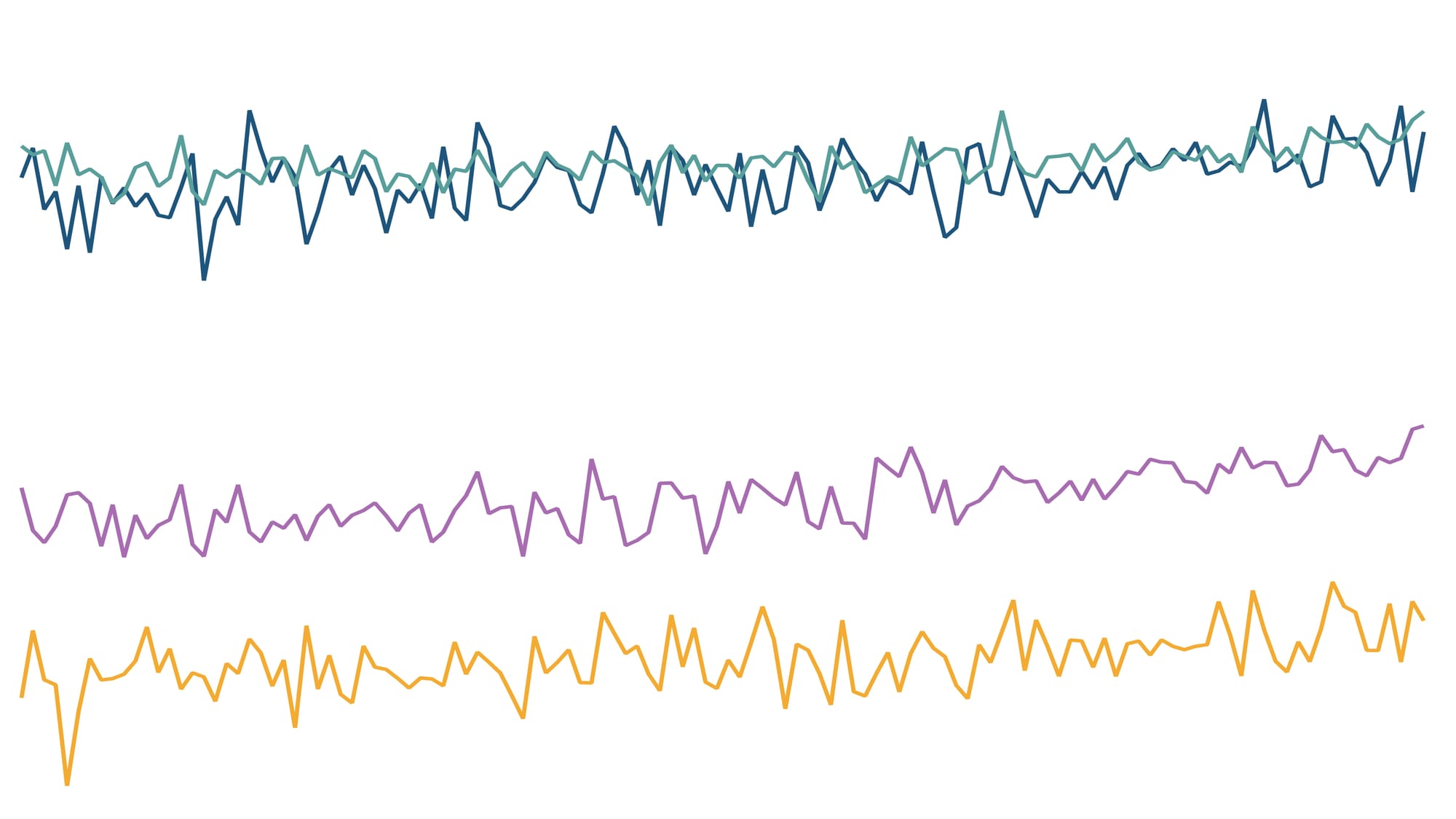
From fewer than two in ten Indians literate in the early 1950s, more than eight in ten Indians were literate by 2025.[2]
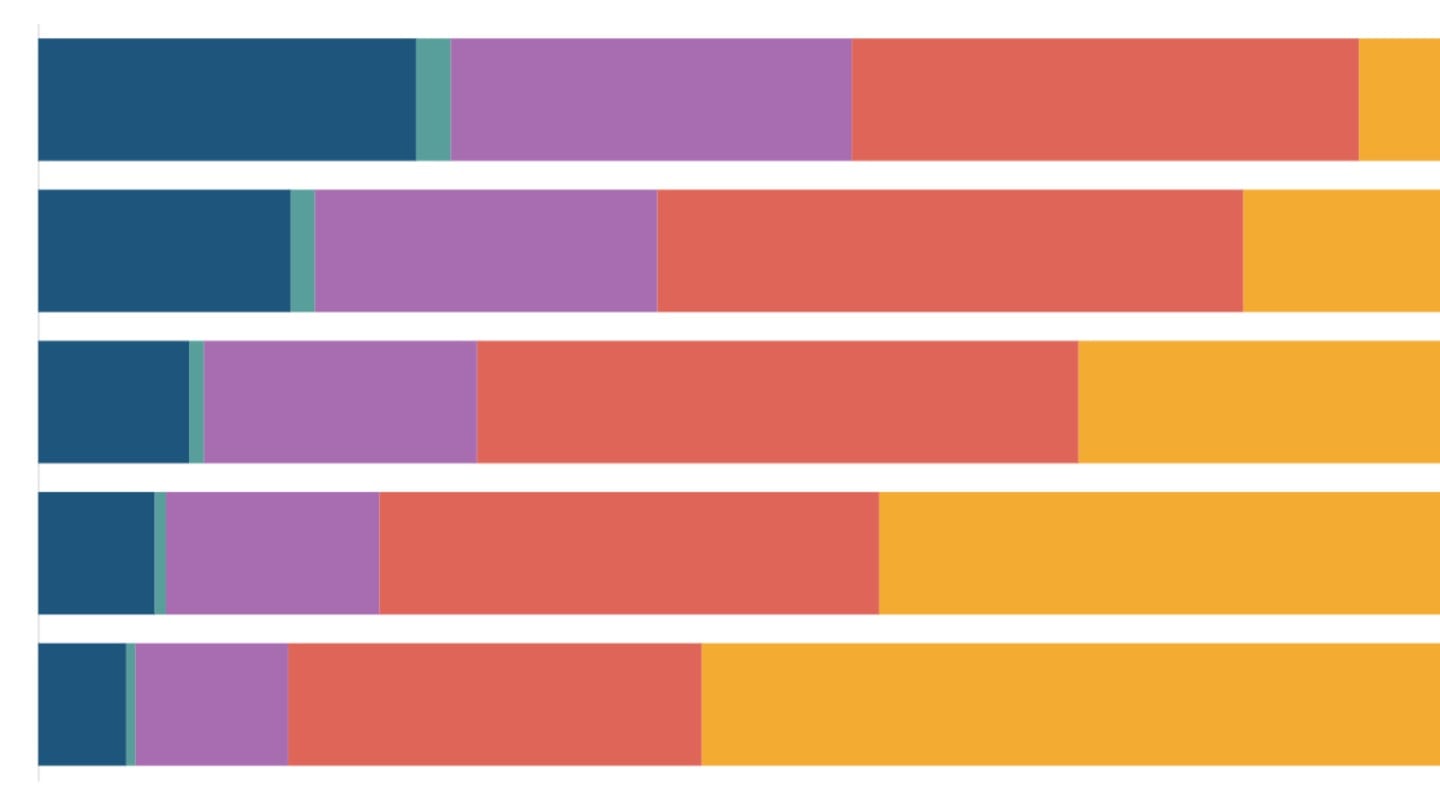
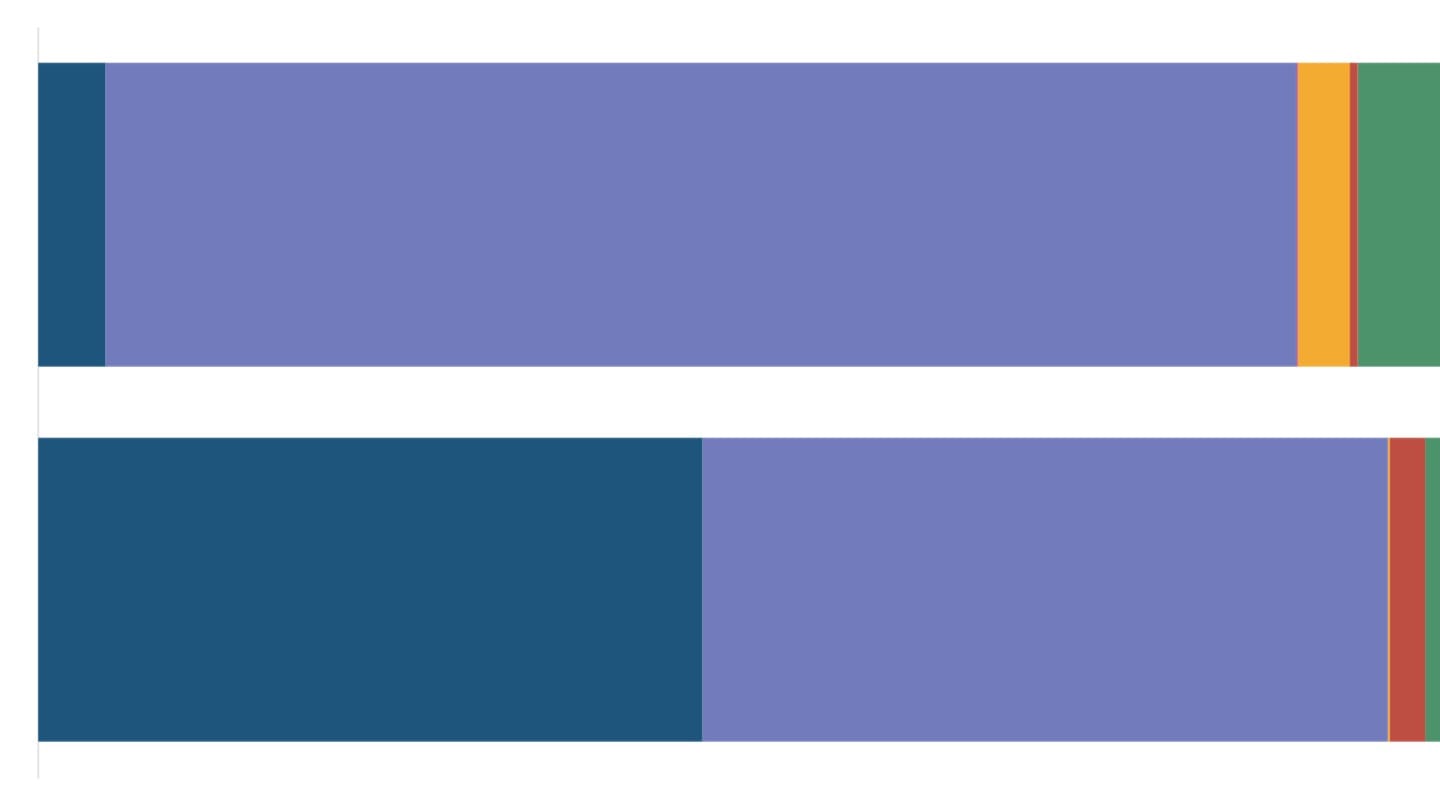
People who are illiterate, however, are concentrated among the elderly. More than half of the country's illiterate population is above 50 years of age. Meanwhile, illiteracy has been virtually eliminated among children and teenagers.
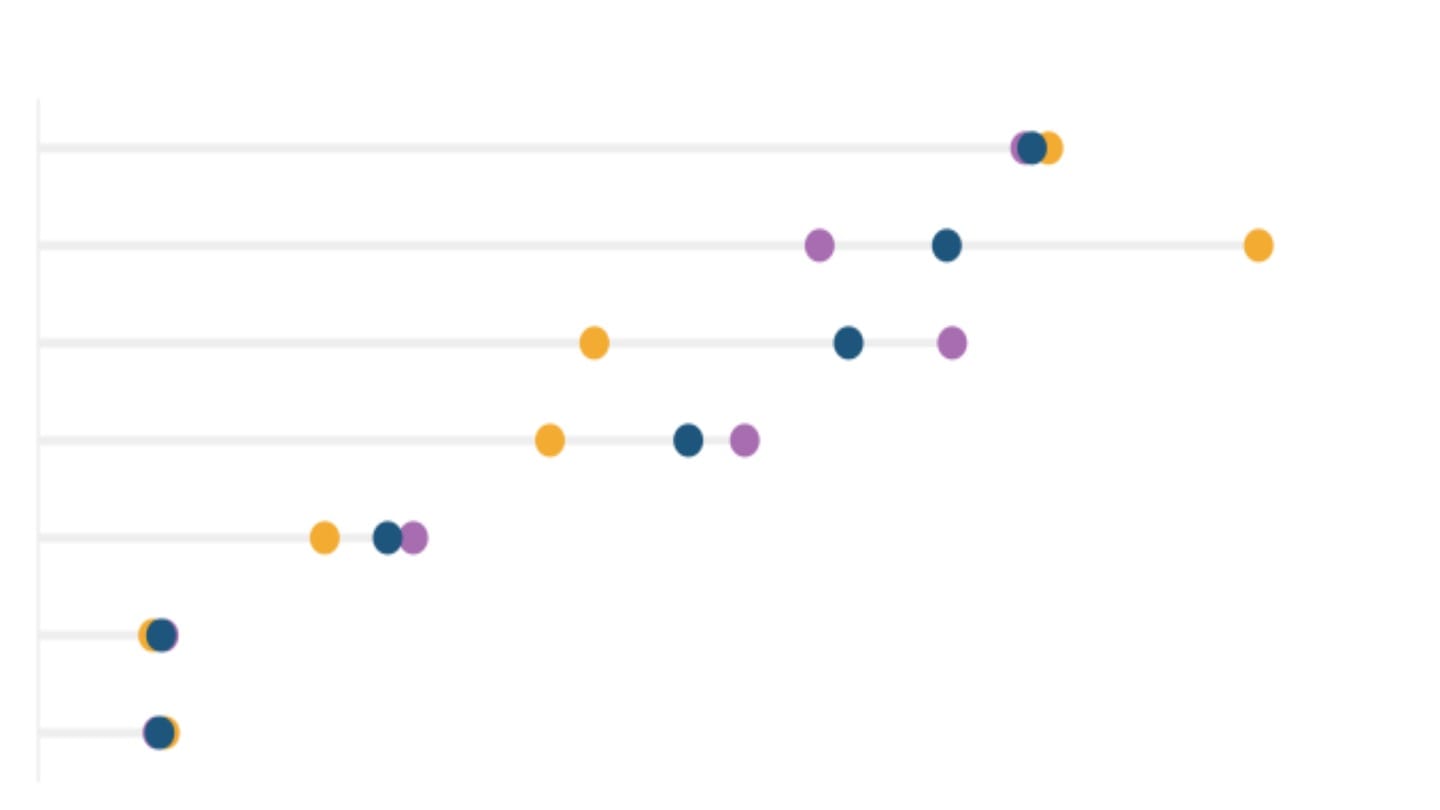
Alongside the disappearance of illiteracy, the gender gap in literacy has also been almost completely closed. Among those who are in their seventies today, men are twice as likely as women to be literate. However among teenagers and children today, there is virtually no gender gap in literacy rates.
India in global context
Despite these advancements, India is still some distance behind the world in terms of overall literacy rates. However, this is largely a historical legacy, driven by higher illiteracy rates among older Indians. Youth literacy is rising fast suggesting that India is on the path to near-universal literacy.
Closing the gaps
Despite this progress in literacy, gaps remain. Male literacy is approaching 90%, while female literacy remains close to 75%. There is also a literacy gap of more than ten percentage points between urban India and rural India. But these gaps have narrowed over time as well, particularly since the 1990s.
Literacy rates are substantially lower among people who belong to a marginalised group. While the level of literacy among Indians who belong to the Scheduled Castes and the Scheduled Tribes is 75%, it is 88% among those who do not belong to a marginalised group.[3]
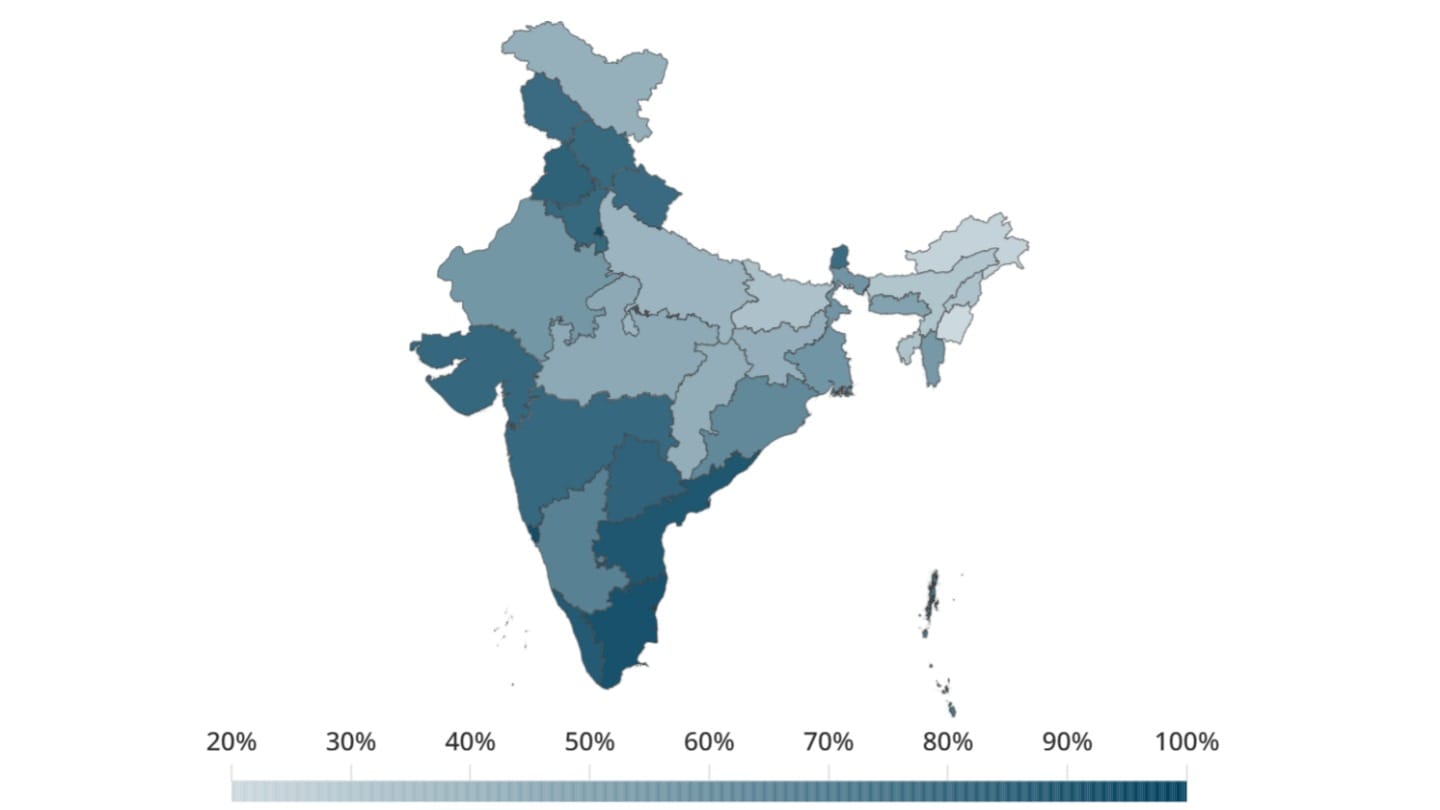
Among Indian states, some of India's north-eastern states, as well as some wealthier states including Goa and Kerala are approaching the milestone of 100% literacy. Andhra Pradesh, meanwhile, has one of India's lowest literacy rates.
In most Indian states, male literacy rates exceed female literacy rates. The divergence in female literacy rates is higher than male literacy rates across states. While male literacy rates are in the range of 80-95%, female literacy rates are in a wider range of 60% and 90%.
States saw improvement in literacy at different points in time. In traditionally high literacy states such as Kerala, the big improvements in literacy happened decades ago, but in some north-eastern states such as Mizoram, literacy rates improved in recent years.
[1] The Census considers children aged six and below as illiterate, and defines literacy as the ability of people above seven years of age to read and write with understanding in any language. The national sample surveys consider a person to be literate if they can read and write a simple message/sentence in any language with understanding.
[2] Data from 1951 to 2011 is sourced from the Reserve Bank of India, and is based on data from the Registrar General and Census Commissioner of India. The first few Censuses reported literacy for ages 5 and above, while the recent ones reported it for ages 7 and above. As 2011 is the last conducted Census, data for later years is sourced from the Periodic Labour Force Survey.
[3] Literacy rates for years after 2011 disaggregated by gender, location of residence and social group is estimated using the PLFS. Scheduled Castes and Scheduled Tribes are among the most historically marginalised communities in India, and as a result have Constitutional provisions for affirmative action.